Maintenance Planning for Fire Protection Denver Systems: Building an Ongoing Inspection Schedule
A fire protection system rarely fails all at once. More often, it drifts out of readiness one missed inspection, one overdue valve check, one disabled notification device, or one forgotten record at a time. That is why maintenance planning matters so much for any building owner, property manager, or facility team responsible for fire protection Denver systems. The work is not just about reacting when a panel throws a trouble signal or when the city schedules an inspection. It is about building a schedule that keeps the system dependable between those moments.
In Denver, that planning has to fit the local enforcement environment. The Fire Code Official, the Fire Marshal, and the Denver Fire Department Fire Prevention Division all play a role in enforcing fire code requirements and inspecting hazards, disabled life safety systems, and false alarms. Commercial and institutional properties are inspected annually by the city, and those fire safety inspections Denver staff perform can include a look at exits, emergency lighting, fire-resistive separations, fire lanes, and the test records for fire safety systems. If records are missing or maintenance has slipped, that can trigger an order notice for correction.
That is the practical reality behind a good maintenance plan. It is not paperwork for its own sake. It is how you stay ready for real emergencies, stay organized for annual inspection cycles, and reduce the chances that a minor service issue turns into a compliance problem.
The real job of a maintenance schedule
When people hear the word schedule, they often think of a calendar reminder. In this context, a schedule is broader than that. It is a system for making sure the right inspections, tests, and follow-up actions happen at the right intervals, with the right documentation, and with the right coordination among vendors, building staff, and authorities having jurisdiction.
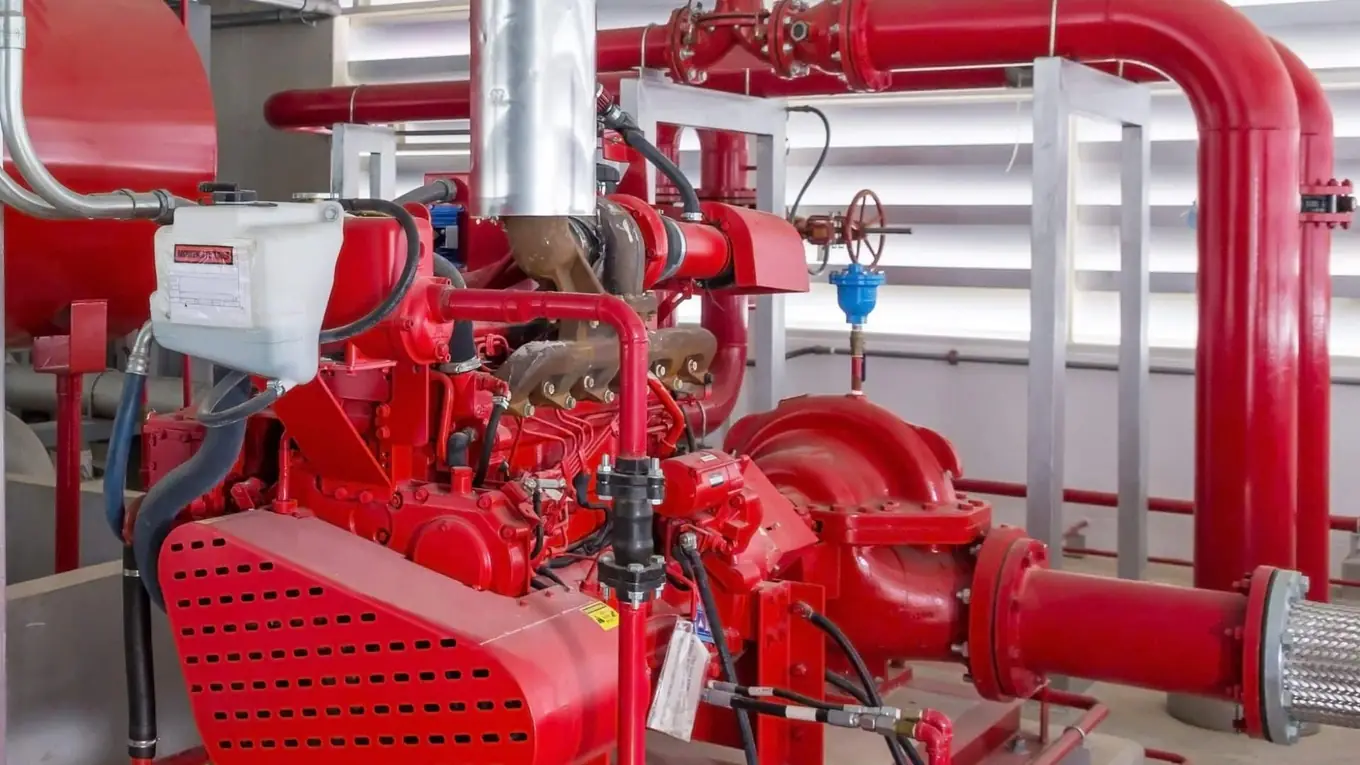
That matters because most buildings in Denver are not relying on a single device. A commercial property may have fire alarm monitoring Denver support, water-based sprinkler protection, portable extinguishers, a fire pump, backflow prevention, and perhaps specialized fire suppression systems Denver facilities use in kitchens, mechanical spaces, or hazard-specific areas. Each of those pieces has its own inspection and testing logic. If they are managed separately with no master plan, gaps show up quickly.
The strongest plans pull everything into one operating rhythm. They connect the annual city inspection, the ongoing NFPA-based inspection and testing work, any permit-related milestones, and the internal responsibilities of staff who unlock rooms, escort technicians, receive reports, and track corrective work.
Start with what the building actually has
Before anyone builds a calendar, they need a clear inventory. That sounds obvious, but it is one of the first places maintenance planning breaks down. Many facilities have equipment added over time, tenant improvements that changed coverage, or old records stored in three different places. A schedule built from assumptions is unreliable from the start.
For a typical commercial fire protection Colorado program, the inventory should identify the system categories present in the building and the documents tied to each one. That may include fire alarm components governed by NFPA 72, water-based systems covered by NFPA 25, any fire pump equipment, portable extinguishers, and backflow assemblies. If recent work was done, the file should also show whether permits were required and whether approval or acceptance was completed before final sign-off.
That last point matters in Denver. The city states that permits are required for most construction, alteration, or repair work on private property. Denver’s plan review process includes fire protection engineering review, and the city notes that acceptance or approval is required before final sign-off of fire alarm and fire protection permits. Colorado law also states that fire suppression system installation, modification, alteration, or repair generally cannot start until required permits are obtained and the job has been registered, with working plans and hydraulic calculations reviewed and approved.
So, if your building recently had fire sprinkler installation Denver contractors perform, or if a fire alarm panel was modified, maintenance planning should not treat that as a finished chapter until permit and approval records are in the permanent file. Otherwise, the next inspection cycle can turn into a scramble.
NFPA standards give the maintenance plan its backbone
For buildings with alarms, sprinkler systems, or other water-based protection, the schedule should be built around the standards that govern inspection, testing, and maintenance.
NFPA 72 is the national fire alarm and signaling code for fire alarm design, installation, inspection, testing, maintenance, and emergency communications systems. In plain terms, it covers how the fire alarm system should operate and how its ongoing care should be handled. That includes initiation, notification, supervision, and the maintenance practices that keep those functions dependable.
NFPA 25 serves a similar role for water-based fire protection systems. It is the standard for the inspection, testing, and maintenance of those systems. If your building has sprinklers, risers, valves, gauges, fire department connections, or a fire pump, NFPA 25 is check this out central to the maintenance calendar.
This is where experienced planning helps. Many facility teams know they need annual service, but annual is only one layer. Water-based systems and alarm systems often involve a mix of visual inspections, operational tests, and periodic maintenance tasks that do not all happen on the same date. A reliable plan does not flatten everything into one yearly appointment. It maps each system’s obligations and then organizes them into a practical workflow.
Denver’s annual inspection should shape your calendar, not surprise you
Because Denver inspects commercial and institutional properties annually, the city’s inspection cycle should be treated as a fixed point in the year. Fire safety inspections Denver personnel perform are not limited to a quick walk-through. They can include review of test records for fire safety systems, along with broader life safety conditions such as exits, emergency lighting, and fire lanes.
That means your maintenance schedule should work backward from the expected annual inspection window. If you wait until the city notice arrives, the building may still be safe, but the record set may be incomplete, service reports may still be open, or needed repairs may not be finished in time. It is far easier to keep the building inspection-ready year-round than to stage a last-minute cleanup.
A good rule in practice is to keep enough margin in the schedule that if a deficiency is found during routine service, there is time to correct it before the annual city review becomes urgent. This matters even more in occupied buildings where access is limited, after-hours testing is needed, or multiple tenants have to be notified before devices are activated.
Denver materials also note that special inspections can occur outside normal business hours when needed. Anyone who manages a building with a large occupant load, overnight operations, or sensitive tenant spaces knows how important that can be. Scheduling flexibility helps, but it also introduces cost and coordination pressure. The earlier the schedule is built, the easier those logistics become.
Build one master calendar, then break it into operating windows
The simplest way to lose control of maintenance is to let each vendor operate on its own separate clock. One company handles fire alarm monitoring Denver services, another manages sprinkler testing, another performs fire extinguisher inspections Denver properties need, and another handles backflow inspection Denver compliance work. Every provider sends reports, but no one sees the whole picture.
A master calendar solves that problem. It does not replace the technical work performed by qualified contractors, but it gives the owner or manager a single operating view.
The calendar usually works best when it is divided into planning windows rather than isolated dates. That is because access problems, weather, tenant conflicts, permit timing, and repair follow-up can shift actual field work. If the only target is a single date, one reschedule can throw off an entire quarter. If the target is a service window, the work stays on track.
Here are five anchors that usually belong on that master calendar:
- the annual Denver inspection cycle for the property
- recurring NFPA 72 and NFPA 25 inspection, testing, and maintenance events
- permit, acceptance, or sign-off milestones for any recent system work
- time reserved for deficiency repairs and retesting
- internal record reviews so reports are filed and easy to produce
Once those anchors are in place, the rest of the schedule becomes easier to manage. Instead of reacting system by system, the building team starts to see the year as a sequence of readiness checkpoints.
Different systems create different scheduling pressures
Not every system creates the same maintenance burden. A building with a straightforward office layout may have a relatively simple alarm and sprinkler profile. A mixed-use facility, institutional property, or specialized occupancy can be much more demanding.
Fire alarms are often the most visible source of scheduling friction because testing may involve sounders, strobes, communication with a monitoring center, and occupant notification planning. If your building uses fire alarm monitoring Denver support, coordination with the monitoring provider is part of the maintenance process. Signals need to be managed correctly during tests, and any trouble conditions found during service need prompt follow-up.
Water-based systems tend to create a different kind of pressure. They may not interrupt occupants in the same way, but they involve valves, gauges, risers, and other components that need consistent attention under NFPA 25. If the property has a pump, fire pump inspection Denver scheduling deserves extra discipline because pump-related testing often takes more coordination than managers expect. Even buildings with reliable equipment can run into issues when testing is repeatedly postponed for convenience.
Backflow devices introduce another layer. A backflow inspection Denver requirement may be managed by a different specialist than the sprinkler contractor. If no one ties those appointments together, records end up scattered. Then, during a city inspection or internal audit, the facility team has partial documentation in one folder, annual test paperwork in another, and correction notices somewhere else entirely.
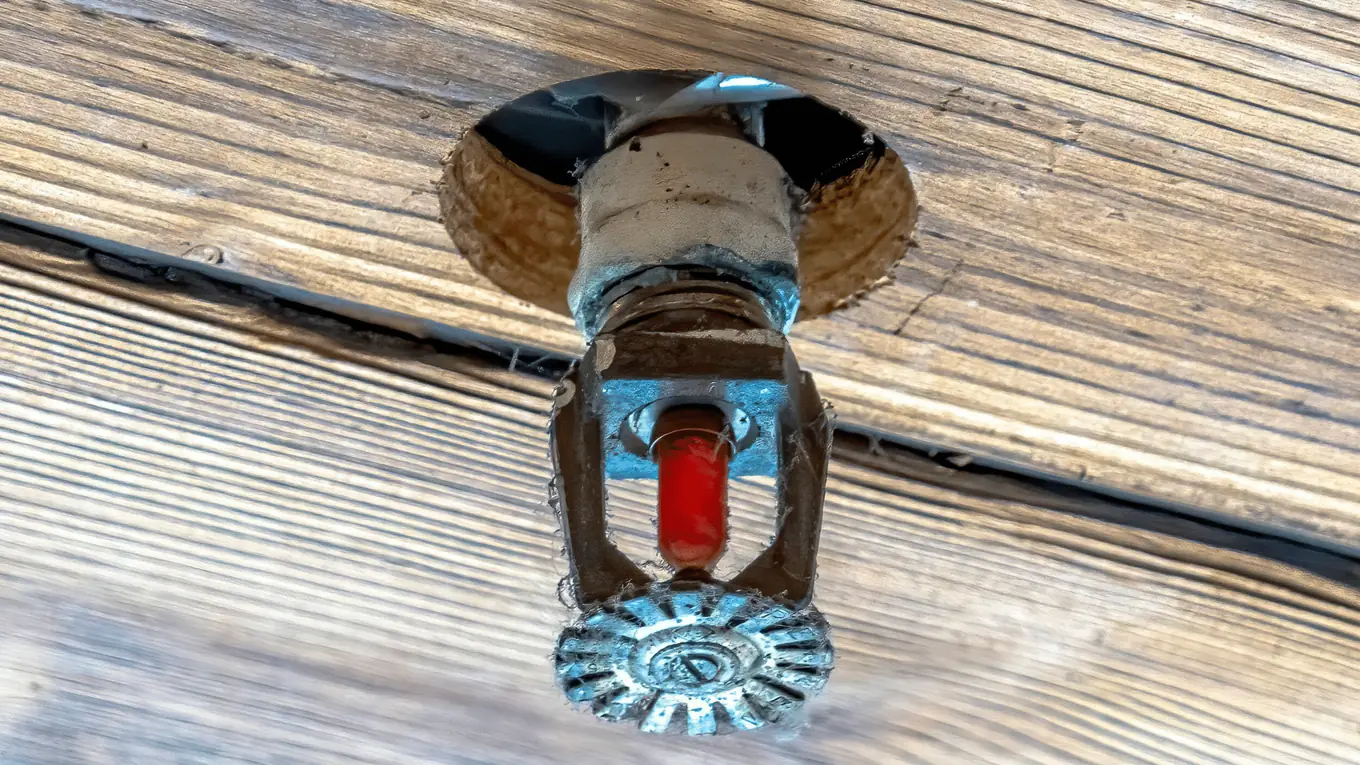
Portable extinguishers have their own place in the schedule too. Fire extinguisher inspections Denver businesses depend on are often seen as basic, but the administrative side still matters. If extinguishers were moved during tenant improvements, if wall locations changed, or if older inventory was replaced, the records should reflect that. Simple devices still create avoidable compliance issues when the file is messy.
Repairs, impairments, and disabled systems need their own process
The most common weakness in maintenance planning is not missed inspection dates. It is weak follow-up after a problem is found.
A device fails. A valve issue is noted. A portion of the system is disabled for construction. A panel reports trouble. Then the team assumes the contractor will handle the rest automatically. Sometimes that works. Sometimes the issue sits open far longer than anyone intended.
Denver specifically enforces hazards and disabled life safety systems, so impairments should never be treated as a casual side note. A maintenance plan needs a clear internal process for documenting the problem, confirming who is responsible for correction, tracking the repair timeline, and confirming that the system is restored and documented when work is complete.
This is also the point where emergency fire protection Denver planning becomes more than a phrase. When a system or portion of a system is impaired, the building still has to manage life safety in real time. The exact steps depend on the situation and the authority having jurisdiction, but the broader lesson is always the same: impairment tracking belongs inside the maintenance plan, not outside it.
New work and tenant improvements can disrupt a stable schedule
Even well-run buildings get tripped up when renovation enters the picture. A tenant improvement can create a few weeks of chaos if alarm devices are moved, sprinkler heads are changed, or protection is altered during construction. People often separate “project work” from “maintenance,” but in real building operations they overlap constantly.
Denver says permits are required for most construction, alteration, or repair work on private property, and the city adopted new 2025 Building and Fire Codes effective December 31, 2025, with some projects allowed to use either the 2025 or 2022 code set depending on submittal date. That kind of transition matters for planning. It means owners and contractors need to know which code path applies to the project timeline, and facility managers need to keep project documents organized so the maintenance file stays current after work is done.
Colorado law adds another important guardrail for fire suppression work. Installation, modification, alteration, or repair generally cannot start until required permits are obtained and the job has been registered, with working plans and hydraulic calculations reviewed and approved. For anyone overseeing fire sprinkler installation Denver projects or modifications to fire suppression systems Denver buildings use, that requirement should be built into the preconstruction checklist, not discovered later.
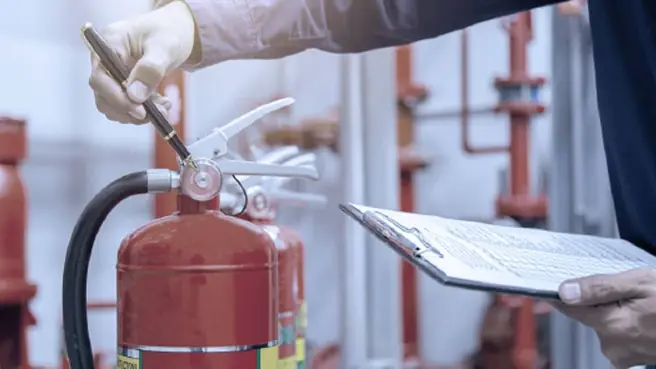
After the project is complete, the maintenance schedule should be updated immediately. Device counts may change. Testing zones may shift. New acceptance documentation may need to be stored. If the system inventory is not revised, the next service visit can be based on outdated information.
Documentation is part of the protection system
A building can have sound hardware and still perform poorly during an inspection if the records are disorganized. Denver’s annual inspection materials make clear that test records are part of what inspectors may review. That is why recordkeeping deserves the same seriousness as the field work itself.
The records do not need to be elegant. They need to be complete, easy to retrieve, and consistent. At a minimum, most building teams should be able to produce the following without a scramble:
- recent inspection and test reports for alarm and water-based systems
- records of deficiency corrections and any retesting performed
- permit, approval, and acceptance documents tied to system changes
- service contact information for monitoring, inspection, and repair vendors
- a current internal log showing what equipment is installed in the building
When that file is current, annual inspections go more smoothly, turnover between staff is less disruptive, and system history is easier to understand. When it is not current, every service event starts with detective work.
One practical habit helps more than people expect: review the records shortly after each service visit instead of filing them unread. That is often when you catch a vague deficiency note, a missing signature, or a recommendation that needs action before it turns into a larger issue.
Timing matters more than perfection
A maintenance plan does not have to be beautiful to be effective. It has to be realistic. Some properties prefer a digital compliance platform. Others still run a solid program with shared calendars, scanned reports, and a disciplined property manager. The tool matters less than the habits behind it.
The strongest schedules usually have a few common qualities. They are visible to more than one person. They account for occupant coordination. They leave room for repair follow-up. They connect project work back to the maintenance file. And they treat the annual city inspection as a predictable event rather than an unpleasant surprise.
That is especially important in commercial fire protection Colorado environments where staffing changes are common. If one facilities lead leaves and the entire schedule lives in that person’s inbox, the building is exposed. A written, shared inspection plan protects continuity.
What a steady program looks like over time
A mature maintenance program has a certain calm to it. Service calls still happen. Deficiencies still show up. Construction still causes complications. But the building team is not constantly scrambling because the plan already accounts for those realities.
The annual city inspection arrives, and the records are ready. Contractors know the building’s access rules. Alarm testing is coordinated with monitoring. Water-based system reports are filed where they belong. If there was recent fire system certification Colorado paperwork or permit closeout tied to new work, that documentation is already in the file. If there was a false alarm issue or disabled component earlier in the year, the corrective history is easy to show.
That kind of order is not accidental. It comes from treating maintenance planning as an operational discipline, not an afterthought.
For owners and managers responsible for fire protection Denver systems, the goal is simple: know what you have, know what standard governs it, know when it must be inspected or tested, and know where the records live. Once those basics are handled consistently, the schedule stops feeling like a burden and starts doing what it is supposed to do, keeping the building ready, compliant, and easier to manage all year long.
Pre Action Fire, Inc
2921 W 38th Ave, Denver, CO 80211, United States
Phone: (303) 682-0113
Website: https://preactionfire.com